Why Groups Keep Small Rituals
Why groups keep small rituals: learn how simple openings, check-ins and closing routines build continuity while leaving room for people and circumstances to change.
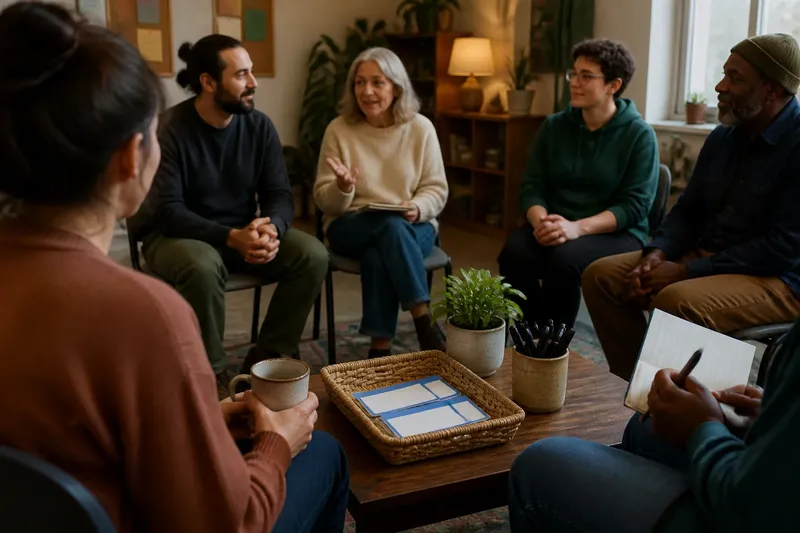
A neighborhood group can lose people before the main activity even begins: newcomers arrive to a room where everyone already knows the rhythm, while regulars assume the rhythm is obvious. Small rituals help make that rhythm visible. In a community group, a familiar opening, brief check-in or shared closing gives people a way to recognize one another and understand how time together works.
The common mistake is treating a ritual as a rule that must be repeated exactly. That can turn a welcome into a performance and make ordinary changes feel like failures. A useful routine is steadier than an improvised gathering, but flexible enough to meet the people who are actually there.
What does a small ritual do for a group?
A ritual is a repeated, recognizable action with a modest purpose. It might be reading the evening’s plan aloud, inviting each person to say what they need from the gathering, or putting chairs back together before everyone leaves. It need not be solemn or elaborate. Its value lies in the way it marks a shared moment.
That marker can help people arrive socially as well as physically. A person who comes late can hear the same opening question others heard. Someone who is unsure whether to speak can wait for a predictable pause. At the end, a familiar closing can make it clearer that the meeting is finished and that no one is expected to linger.
Continuity also lives in small, observable details: the same tray for name tags, a round of brief updates, or a sentence that signals a transition. These details tell regulars, “We are here together again,” without requiring the group to recreate an earlier gathering. For newcomers, they offer cues about what happens next.
How can a group shape a routine over a week?
A group does not need a committee or a long discussion to find a useful ritual. A short trial across a few gatherings gives people a chance to notice whether the routine helps, feels awkward or needs a different form. Keep the trial modest: choose one point in the gathering, not a sequence for every minute.
- Before the next gathering: Notice where people tend to hesitate. Is it at arrival, when the activity shifts, or when it is time to leave? Choose one moment where a shared cue might make things clearer.
- At the next gathering: Offer a simple routine and explain its purpose in ordinary language. For example, “Let’s take a moment to say what would make this hour useful,” is easier to enter than an unexplained instruction to go around the circle.
- Afterward: Ask one specific, low-pressure question: “Did that opening help you know how to join in?” People can answer aloud, send a note later, or pass. A routine meant to support participation should not demand a public review from everyone.
- At the following gathering: Keep the parts that helped and adjust the parts that felt cumbersome. Make the change visible: “We’ll keep the opening question, but you can answer briefly or pass.”
- By the end of the week: Decide whether to continue, revise or set the ritual aside. Tell the group what the decision is and leave the door open to revisit it if the gathering changes.
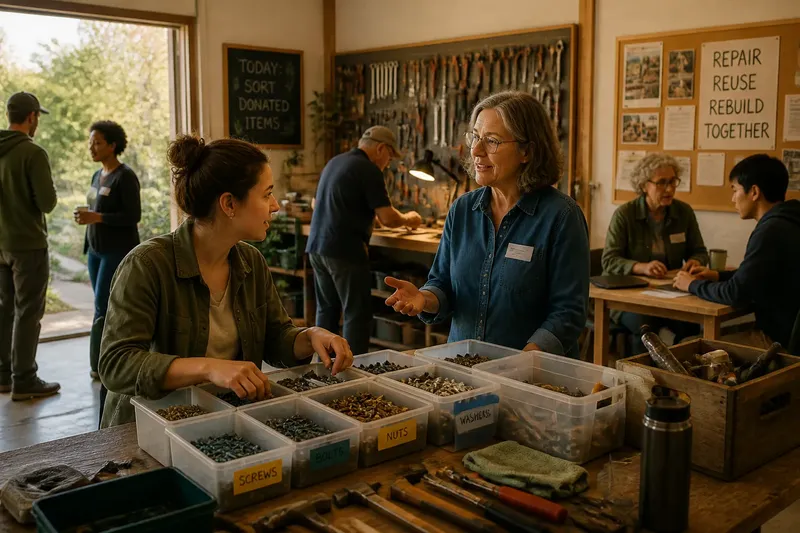
Say a neighborhood repair circle notices that its first few minutes are scattered, with people unsure whether to start setting up or wait. The coordinator tries a short opening: everyone names one thing they hope to work on, and passing is allowed. At the next meeting, a parent arrives after the round has started; the coordinator quietly tells them the activity is underway rather than restarting it. The expected observable result is a clearer start without making a late arrival the center of attention.
Where do rituals fit in a gathering?
Openings are useful when people arrive at different times or need a shared signal that the gathering has begun. A brief welcome, a spoken plan, or a moment to name what is happening can orient the room. Keep it short enough that arriving late does not mean missing the whole event.
Check-ins can help a group hear what members bring with them, but they should not turn into compulsory disclosures. Offer a concrete prompt connected to the gathering, such as what someone hopes to contribute or what support would help them take part. Make listening a valid form of participation.
Transitions are often overlooked. A sentence that announces the move from conversation to shared work, or a pause to clear a table, can prevent a few confident members from setting the pace for everyone else. The cue should clarify what is changing, not police how people behave.
Closings help people leave with a shared sense of completion. The group might name what remains for next time, thank the people who prepared the space, or return materials together. A closing is not a demand for emotional disclosure or a promise that everyone will attend again.
How should a group adjust a ritual?
Pay attention to the people for whom the routine creates extra work. A spoken round may be comfortable for some and tiring for others. A ritual that depends on arriving at the exact start can exclude people whose caregiving, transit or work schedules vary. A printed prompt, the option to pass, or a brief recap can preserve the routine’s purpose without insisting on one mode of participation.
Also notice whether the ritual is serving the group or merely its own history. A long-running opening may matter because it welcomes people, or it may remain only because nobody has felt entitled to change it. Ask what the action helps people do. If the answer is unclear, try a lighter version or pause it and see what the gathering needs instead.
What is not worth the effort is making a small ritual elaborate enough to require a script, special supplies or an appointed person to manage every detail. A bowl of slips, a bell, or a carefully designed sequence may suit a particular group, but complexity is not evidence of care. Prefer something members can remember and adapt without asking permission each time.
What questions help a group decide?
How long should a group ritual last?
Long enough to mark the transition, but short enough to leave most of the gathering for its shared purpose. If the routine regularly takes over, simplify it or ask whether it is trying to do too much.
Should every person take a turn?
Not necessarily. A round can make space for quieter voices, but requiring an answer can create pressure. Make passing, writing a response or joining later acceptable ways to take part.
What if regular members resist a change?
Name what the routine has meant to them, then explain the practical reason for adjusting it. Try a small change for a limited period and invite specific feedback rather than asking people to defend the whole tradition.
Can a ritual help someone who arrives late?
It can, if the routine does not make the gathering depend on everyone being present at the start. A concise recap or a visible note about the current activity lets someone orient themselves without interrupting the group.
How does a ritual remain welcoming over time?
Let the routine belong to the group, not only to the person who first suggested it. Different members can take turns offering the opening or naming the next step. That shared responsibility makes continuity less dependent on one organizer and gives people a low-pressure way to shape the gathering.
Keep the language plain, too. “We’ll take a minute to hear what people need” tells a newcomer more than a private name for the group’s customary round. If a ritual has a story, share it briefly, but do not make knowing that story a condition of belonging.
Why groups keep small rituals is not that every meeting needs tradition for its own sake. A repeated cue can make a shared space easier to enter, help familiar members recognize one another and give the gathering a clear beginning or end. The most useful version is one people can recognize—and can change when the group’s needs change.